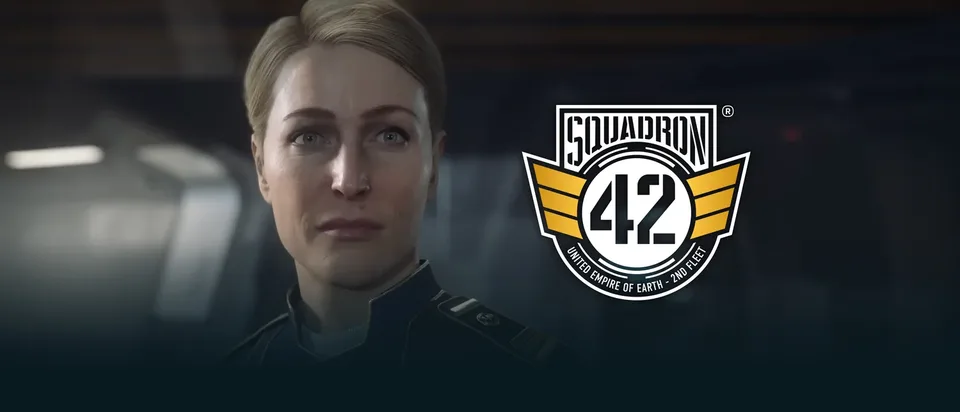
Squadron 42 Gameplay Demo: Hands-on Impressions and Technical Deep Dive
Discover what it's like to play the Squadron 42 gameplay demo, featuring in-depth impressions on mechanics, technical performance, and combat systems.
Published: Squadron 42 Wiki Editorial Team
Table of Contents
Analyzing the Squadron 42 Gameplay Experience
The development of Squadron 42 has been long-awaited, and recent hands-on demonstrations—most notably the event in Manchester following the CitizenCon 2954 reveal—have provided a clearer picture of what to expect. While the public Squadron 42 Gameplay Reveal showcased a curated, highly cinematic prologue, direct player experiences have offered deeper insight into how these systems feel in the hands of a gamer. The game aims to deliver a focused, single-player narrative that draws heavily on the Star Citizen engine but discards the technical hurdles of a persistent online environment in favor of a polished, linear-directed experience.
Evolution of Combat and Movement Mechanics
One of the most significant takeaways from recent playtests is the refinement of first-person combat. Many players previously familiar with the Star Citizen Persistent Universe (PU) often cited the "sluggish" nature of movement and weapon feedback. In the Squadron 42 build, these systems have been overhauled to align with modern AAA shooter standards.
Tip
Optimize Your FPS Gameplay: To improve performance in combat, prioritize cover-based positioning. The AI in this build is capable of flanking, retreating, and coordinating attacks, making static cover behind a single pane of glass a dangerous liability.
Responsive Controls: Movement, sprinting, and climbing obstacles feel snappy and deliberate. The character now reacts immediately to player input.
AI Sophistication: Enemies do not simply stand in place. They utilize grenades, call for reinforcements, and even revive one another. This forces players to be more tactical rather than relying on brute force.
Weapon Variety: Distinct hit reactions—such as breaking off armor pieces or disabling enemy helmets—provide immediate visual feedback that makes every encounter feel impactful.
Seamless Integration of Cinematics and Narrative
The prologue and subsequent missions demonstrate a high degree of integration between scripted narrative and active gameplay. According to community reports, roughly 50% of the opening sequence involves cinematic elements that transition seamlessly into player-controlled action.
Interactive Dialogue: Engage with NPCs to deepen your connection to the crew, as conversations are voice-acted and personalized.
Environmental Storytelling: Pay attention to the ship's interior; the routine of the crew and the detail of the UEE carrier environments serve to immerse you in the world.
Pacing Awareness: While you have the freedom to explore or take alternative routes during missions, keep in mind that the game is heavily directed. Skipping through cinematic sequences on a first playthrough is generally not possible.
Flight Systems and Ship Interaction
Flying in Squadron 42 feels distinct from the current PU experience. The removal of complex "Master Modes" allows players to focus on the mission at hand rather than constantly managing flight states. The introduction of the new quantum system, which allows for instant jumping without lengthy route planning, is a significant quality-of-life improvement.
Flight Control Highlights
Direct Response: The Gladius, used during testing, responds instantly to input, making maneuvering feel cleaner and more professional.
Simplified MFDs: The new interaction dot and stabilized selection interfaces allow for rapid adjustment of power distribution and targeting without the frustration of menus sliding around.
Carrier Operations: Launch sequences, particularly from a Javelin or Idris, are heavily stylized to emphasize the scale and power of the UEE fleet, echoing classic science fiction tropes.
Technical Performance and Polishing Requirements
Despite the impressive strides in gameplay, the current build of the title is still clearly in a state of refinement. While performance on high-end hardware (such as current NVIDIA 50-series cards) was consistently smooth—maintaining 60+ FPS at 4K resolution—technical bugs remain a hurdle.
Warning
Known Technical Risks: Players in recent sessions encountered issues with reload animations failing to trigger correctly, mission-critical triggers missing if the player progressed too quickly, and occasional game freezes during loading. While auto-save and checkpoint systems are in place, these bugs can lead to the frustration of re-watching lengthy cinematic scenes.
FAQ: What to Expect from the Campaign
Is Squadron 42 an open-world sandbox game?
No. It is a highly directed, narrative-driven single-player campaign. While you have the freedom to explore specific mission areas and choose different tactical approaches, you are essentially following a linear path crafted to tell a specific story.
Can I play this offline?
While the demo sessions were supervised and monitored, the nature of the single-player experience suggests a move away from the persistent online requirements of the PU. However, the final architecture regarding mandatory internet connections for authentication has not been officially confirmed.
How does the character progression system work?
The game utilizes a progression system based on your activities. By participating in combat, exercise, and exploration, your character improves in categories such as resilience. This is a subtle, natural growth rather than a complex skill-tree distribution.
For those eager to dive into the official Squadron 42 page, the current consensus is that the developer, Cloud Imperium Games, has built a solid, immersive foundation. The game's success will ultimately hinge on their ability to iron out the technical friction points before the anticipated 2026 release. If you enjoy narrative-heavy sci-fi that blends the cinematic scope of Battlestar Galactica with tight, tactical combat, Squadron 42 is shaping up to be a title that demands attention.